Trillian VST Review 2025: A Producer’s Guide After 500+ Studio Hours
Trillian VST has been around for more than ten years, and after 500+ hours in the studio with it, I get why producers keep coming back. This bass plugin focuses entirely on electric and acoustic bass sounds that sound real. The 290 synth bass patches and all those multi-sampled, round-robin articulations make it solid for electronic music and techno, where you need bass that hits right.
The upright bass sounds like it beats everything I’ve tried. Trillian nails acoustic and electric bass realism, though some synth bass patches feel thin next to what you get from Omnisphere with its 440 patches. Also, your computer will work harder to run this thing so that older setups might struggle. This review covers what works after years of using it and whether it’s worth the spot in your plugin folder.
What Is Trillian VST and Who Is It For?
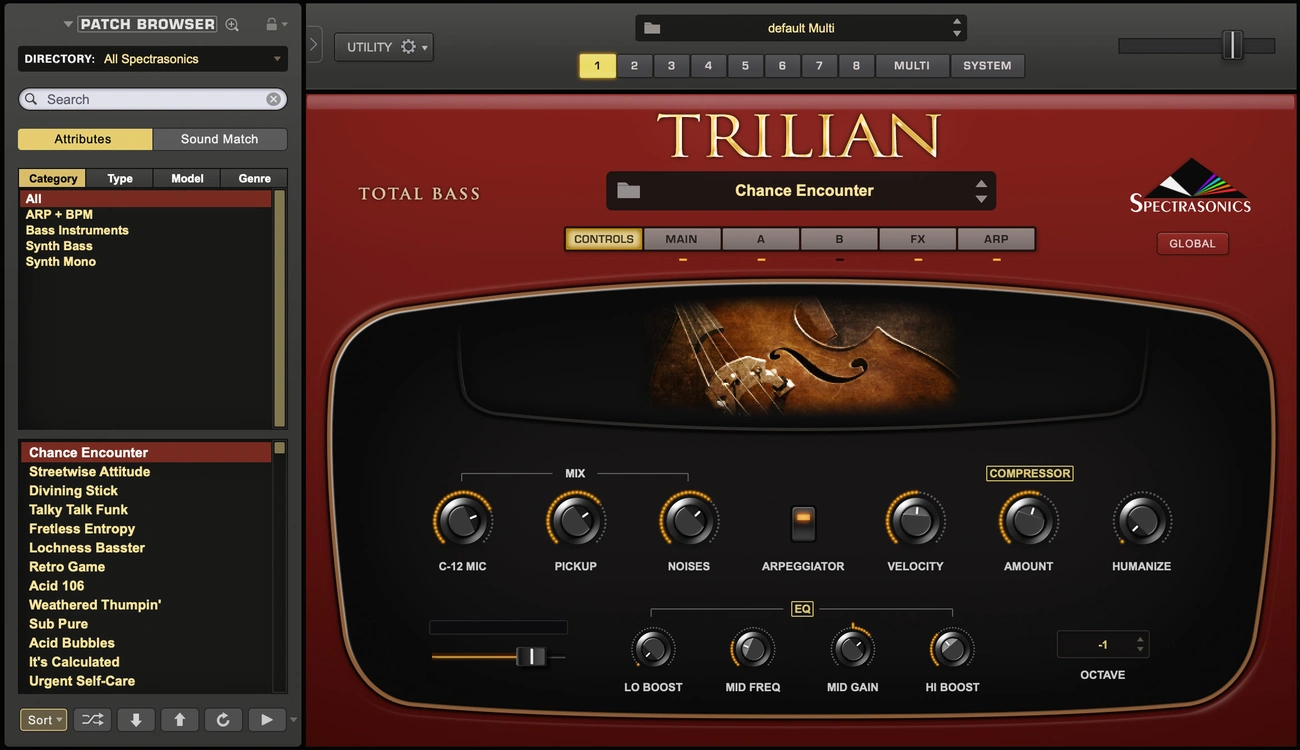
Image Source: Spectrasonics
Trillian VST is Spectrasonics’ follow-up to their Trilogy bass instrument. This plugin gives you much deeper control over musical expression and more flexibility when shaping sounds. [GUI layout]
Overview of Trillian’s Core Library
Trillian’s core library is 34GB – ten times bigger than the old Trilogy. The plugin packs 1,440 sound sources across three main areas:
- Electric Bass Collection: More than sixty instruments with 4, 5, 6, and 8-string options. You get these playing styles:
- Fingered
- Picked
- Fretless
- Slapped
- Tapped
- Muted
- Acoustic Bass: This might be the best part of Trillian. Spectrasonics calls it their most detailed instrument ever. It uses four audio channels and over 21,000 samples for just this one instrument. The level of detail here is awe-inspiring.
- Synth Bass: Sounds from classic hardware like Moog Minimoog, Roland TB-303, Novation Bass Station, and Yamaha CS-80. The synth section has new 4-Pole ‘Juicy’ and ‘Power’ Filter algorithms with oscillating resonance explicitly made for electronic bass.
Trillian includes updated versions of all the original Trilogy patches and a bonus section with a remastered Bass Legends library featuring Abraham Laboriel, John Patitucci, and Marcus Miller.
Target Users: Producers, Composers, and Sound Designers
Three types of people will get the most from Trillian VST:
Music Producers: Everything works right out of the box. Need heavy synth bass for electronic tracks? Got it. Want a real upright bass for jazz? It’s there. No need to spend hours tweaking sounds.
Composers: Film, TV, and game scoring get easier with Trillian’s range. The articulations include staccato, legato, sustain, vibrato, slides, harmonics, and various FX, making bass performances sound real enough to fool anyone.
Sound Designers: Trillian works with Omnisphere, opening many creative options. It’s the first virtual instrument that lets you use its complete sound library inside Omnisphere for more synthesis and performance possibilities.
The ‘FlexMod’ modulation system, dual filters with over 19 filter types, six multistage looping envelopes, and six full LFOs give you plenty of editing power [alphabetical]
Supported Platforms: Trillian VST Mac and Windows
Trillian works on both Mac and PC with these requirements:
For All Users:
- 2.4 GHz or higher processor
- 8GB of RAM or more is recommended
- 36 GB of free hard drive space (72 GB for download and installation)
- USB 2 or USB-C Port for boxed media
Mac Users:
- macOS 10.15 Catalina or higher
- AU, VST3, VST2, AAX capable host software
- 64-bit host
- Intel and Apple Silicon Native
Windows Users:
- Microsoft Windows 10 or higher
- VST3, VST2, AAX capable host software
- 64-bit host
Performance stays solid across both platforms. The latest versions run natively on Apple Silicon (M1, M2, M3) and Intel Mac computers, so your hardware setup won’t matter much.
Trillian doesn’t work standalone – you need a DAW to run it. But the Omnisphere integration makes up for this. You can use Trillian sounds directly inside Omnisphere, which creates a smooth workflow for building everything from bass lines to melodies to ambient pads.
Trillian is a good plugin for producers who want authentic acoustic sounds, electric bass versatility, and synth creativity all in one place.
Articulations and Playing Styles: How Realistic Is It?
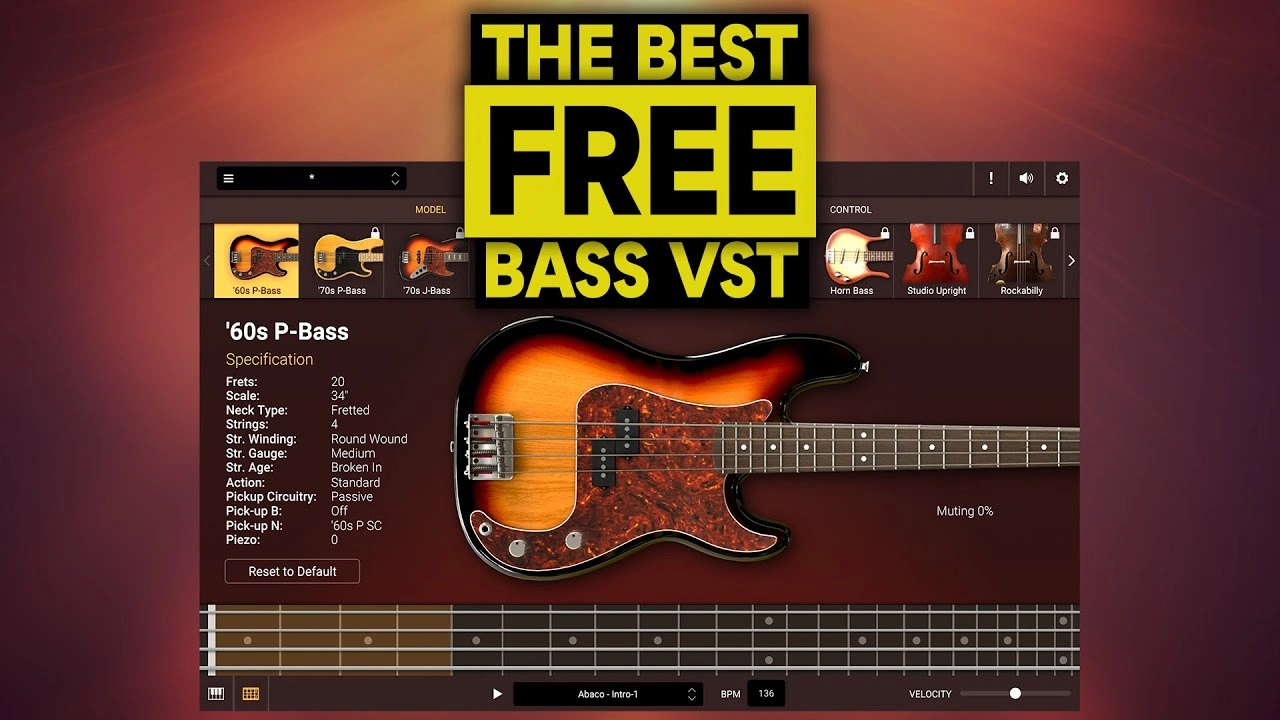
Image Source: YouTube
Trilian’s realism comes down to how well it handles articulations. After 500+ hours, the attention to playing technique detail still catches me off guard.
Finger, Slap, Picked, and Mute Techniques
The electric bass collection covers over sixty different 4, 5, 6, and 8-string electric basses with fingered, picked, fretless, slapped, tapped, and muted variations. Round Robin sampling keeps things from sounding robotic – it cycles through different samples of the same note so you don’t get that machine gun effect.
True Staccato patches work differently from most plugins. Sustains sit in the lower keyboard range while matching staccato samples live three octaves higher. You can bounce between left and right hands for bass lines that feel played. Pick basses get True Upstroke mapping too, so downstrokes and upstrokes alternate like real picking.
Slap bass gets multiple velocity layers, from light thumb work to aggressive pops. Muted articulations respond to how hard you play—soft hits trigger muted notes, and more complex playing opens them up.
Upright and Fretless Bass Sampling
The acoustic upright bass uses over 21,000 samples across four audio channels. Nothing else I’ve tried comes close to this level of detail. Fretless basses nail those smooth glides and slides that make fretless playing unique.
Sample decay feels natural because Trillian lets bass notes ring out properly before subtle looping kicks in. You get indefinite sustain without losing that authentic decay. The samples even include string noise and release overtones that add real character.
Keyswitching and Expression Control
Live Mode loads eight different bass articulations at once with instant key switching. Thus, you don’t have to stop mid-session to load new patches.
Key features include:
- Special Articulations: Legato Soundsources trigger automatically when playing legato phrases within certain intervals, including real hammer-ons, pull-offs, and trills.
- Release Samples: This sample captures fingers lifting off strings, triggered by a MIDI note-off. The volume is adjustable through the release level knob.
- Transition Time Control: Controls how fast it switches from normal to release samples.
The legato feature works great for scale passages. Enable “Use Legato SS” and notes within a half or whole step trigger special legato samples that sound like hammer-ons and pull-offs.
You can control articulations through CC messages, velocity ranges, program changes, channel changes, and key switches. Your setup flexibility depends on how you like to work.
Trillian achieves realism through detailed sampling and brilliant performance features that match your playing style.
Electric, Acoustic, and Synth Bass: Sound Quality Breakdown
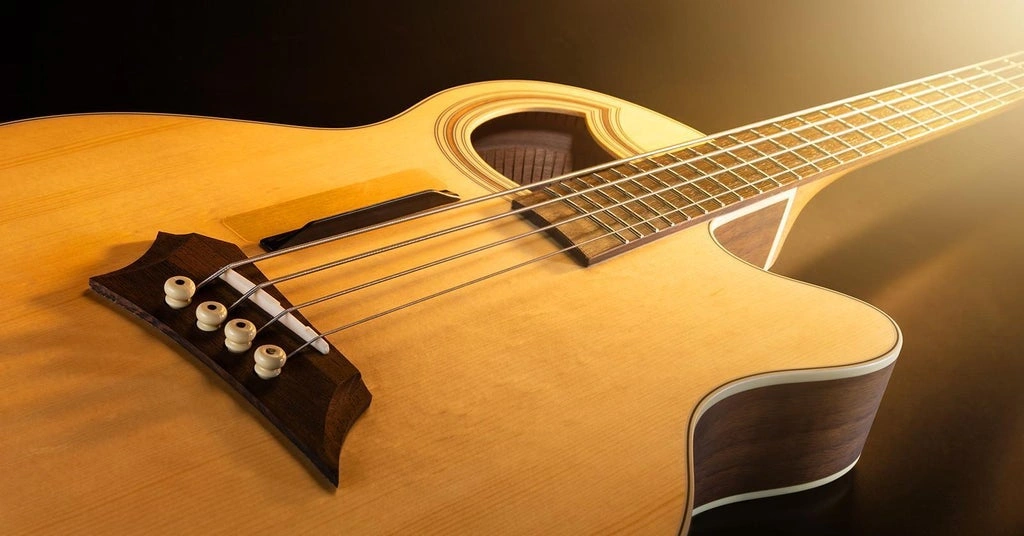
Image Source: Sweetwater
Testing every bass sound in Trilian’s library showed apparent differences between the electric, acoustic, and synth bass sections. The 34GB library shows how serious Spectrasonics got with sampling – some instruments pack over 10,000 samples.
Electric Bass: Fender Jazz and Precision Models
Electric bass takes up the most significant chunk of Trillian, with 886 multi-samples from about two dozen instruments. The Fender Jazz and Precision models sound the most authentic.
The Clean Fender Jazz Bass has a smooth sound with excellent articulation. It works best for funk and fusion, where precision and clarity are needed. These Jazz Bass samples nail that mid-range punch that cuts through busy mixes without extra processing.
The Lakland “Rock P-Bass” (based on a 1964 Fender Precision) gives you a modern, bright sound with clean, open notes. The picked staccato samples impressed me most – they sound clean across the full range, perfect for rock and pop tracks.
That early ’60s Epiphone Viola semi-acoustic bass sounds like Paul McCartney’s Beatles bass. The round, smooth tone fits retro productions where you want the real thing.
The Studio Bass (a long-scale Music Man five-string Bongo) has the most complete articulation set in Trilian. The biggest patch includes keyboard-split six-dynamic sustains and staccatos, downward slides, semitone glissandi, round-robin variations, plus full release and legato samples.
Acoustic Bass: Mic vs DI Recording
Trillian’s acoustic upright bass is much better than its older version. Dean Taba played this bass while recording it on four audio channels—two microphones (Neumann 147 and AKG C12) plus two pickups (Wilson and Schertler).
This four-channel setup gives you options:
- The Neumann/Wilson combo (“Acoustic 1”) sounds warm and sustaining
- The AKG/Schertler pair gives you a sharper attack
Professional studios mix microphones with DI signals all the time. Microphones grab character and body, especially high-end stuff, while DI keeps the low frequencies clean. Trilian uses both approaches for a realistic double bass sound.
Most bass libraries give you either mic or DI signals. Trilian’s four-channel recording lets you blend both for any mix, making its upright bass almost impossible to beat.
Synth Bass: Analog Emulations and Limitations
Trilian’s synth bass section has about 290 patches, a collection of hundreds of multi-samples from 30+ classic hardware synths. It includes iconic items like Moog Taurus pedals, Yamaha CS-80, Dave Smith Tetra, and ARP 2600.
Each synth bass patch lets you edit through:
- Dual filters with 19 filter types (Moog, Prophet, ARP, and PPG copies)
- FlexMod modulation system
- Six multistage looping envelopes and six LFOs
However, Trilian’s synth basses have limits compared to dedicated synth plugins. Users say Trilian captures sampled waveforms well but misses some subtle movement and unpredictability of real analog hardware. One user said, “With analog synths, there are tiny variations in the sound of each note/hit, which gives the sound character”.
Producers wanting ultra-authentic analog bass sounds might get better results from dedicated synth plugins like U-he Diva or actual analog hardware. Trilian’s “Analog” knob helps by adding subtle variations to filter pole frequency and pitch.
If you already own Omnisphere, remember it has about 440 synth bass patches, while Trilian offers 290. This overlap might affect your decision to buy Trilian just for synth bass.
Trillian VST vs Other Bass Plugins: Which One Wins?
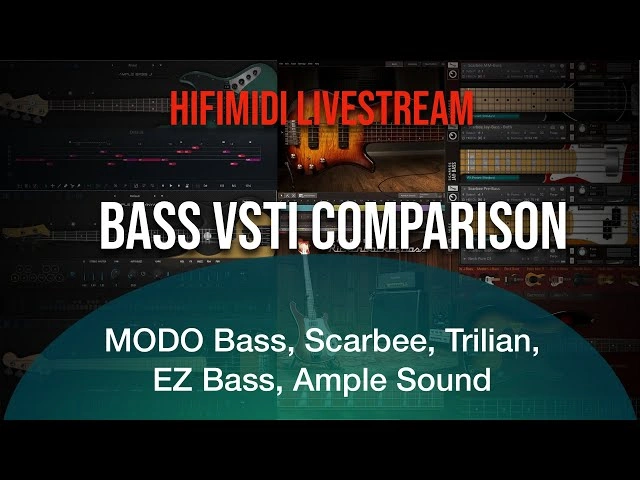
Image Source: YouTube
Testing bass plugins back-to-back for hundreds of sessions gives you a real sense of what works and what doesn’t. Here’s how Trillian VST stacks up against the competition in 2025.
Trillian VST vs MODO Bass
These two take entirely different approaches. Trilian samples real instruments while MODO Bass employs physical modeling technology. MODO Bass gives you more tweaking options and better articulation control, especially for rock tracks. One producer put it this way: “MODO is incredible, and usually I always try it first, especially if the bass is more in a leading role in the song”.
But Trillian vst wins in specific areas. The fretless bass sounds way better than MODO’s, which many users find unconvincing. Trilian still beats everything for upright bass, while MODO’s upright options get called “artificially mushy” and “lacking in punch”.
Trillian VST vs Scarbee and EZ Bass
Scarbee has some innovative interface features. You can see exactly which string and fret you’re playing, which helps if you don’t play bass. Scarbee also gives you 3-5 different slide speed options, something Trilian doesn’t match.
Trilian fights back with better sound variety and sampling. Scarbee alternates between two finger samples, but Trilian uses true round robin, so you “don’t usually get the same sample twice in a row”. If you want everything in one package, Trilian “wins in the value for money department” with electric, acoustic, and synth basses all included.
Trillian VST vs Omnisphere: Overlap and Differences
Both come from Spectrasonics but serve different purposes. Omnisphere has about 440 synth bass patches while Trilian offers 290. “Trilian VST is the bass sampler on steroids,” while “Omni is the synth”.
You can load Trilian sounds into Omnisphere for extra features. Own both plugins and get the VIP Library – “a brand new library of amazing new patches and multis” that uses both together.
Free Trillian VST Alternatives Worth Trying
Budget producers have some options, though they come with limits. Native Instruments Kontakt 5 Player (free) includes several bass libraries. Pettinhouse makes a free bass sampleset for Kontakt that works decently with amp sims.
You might also try Theo Krueger’s Kontakt bass freebie or Yellow Tools Independence Free. One longtime user was pretty direct about it: ” There are plenty of great plugins out there offering great synth and bass sounds, but none will ever match the warmth, grit, and/or clarity of Trillian.”
Each plugin does something well. Trilian covers the most ground and kills it with acoustic and fretless bass. MODO Bass rocks for electric bass tweaking. Scarbee has those nice control features for specific models.
Trillian VST: User Experience After 500+ Studio Hours
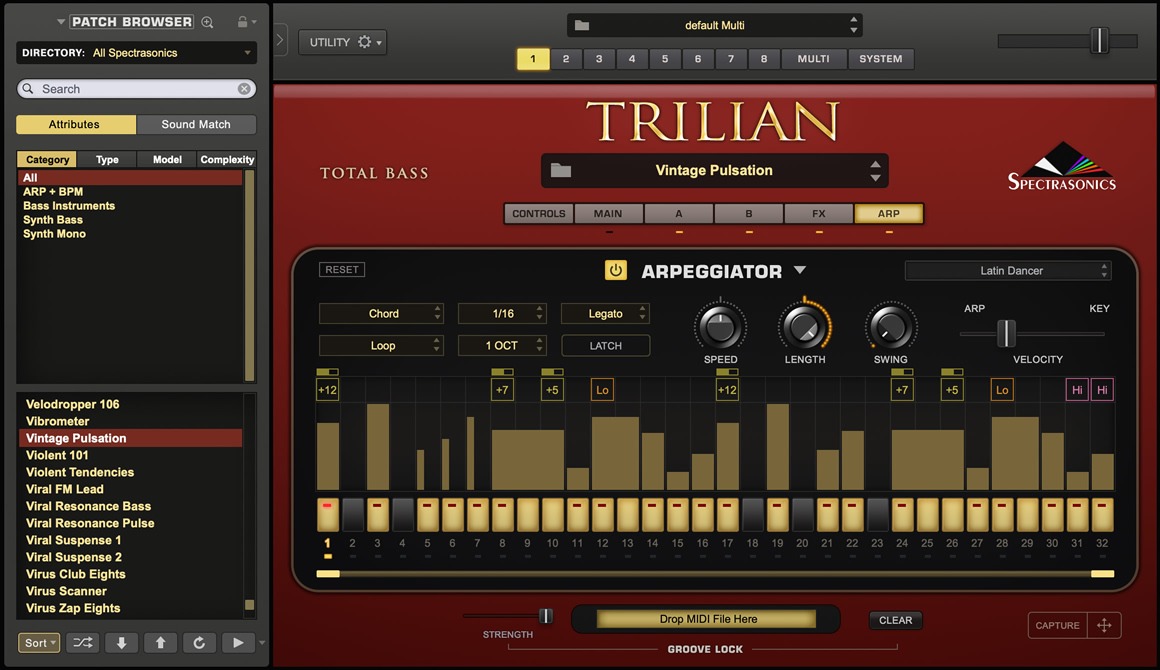
Image Source: KVR Audio
The first thing that caught my eye about Trilian VST was how clean the interface looked. After all this time using it, the workflow still feels smooth compared to other bass plugins.
Workflow and GUI Usability
The high-resolution interface reads well on any screen size. The window magnification option in the Utility menu lets you scale things up or down to match your display. This helps immensely when switching between my primary studio monitor and laptop.
Once you start clicking around, everything makes sense. The Utility Menu has all the basics, like MIDI Learn, Automation, and Undo/Redo. When digging deeper into any section, click the magnify icon, which opens up the detailed controls without making the main screen messy.
Preset Browsing and Customization
Trillian’s browser spoiled me for other plugins. Here’s what works after hundreds of hours with it:
- Project folders for quick sound recall
- Rating system to sort favorites
- Tag and name searching
The tagging system shines. Save a patch, and the EDIT TAGS window pops up automatically, letting you add attributes, keywords, and notes. Finding sounds becomes much faster when everything’s organized properly.
Each patch has custom controls on the main screen—usually amp/DI levels, compression, and EQ for acoustic basses. Thus, you can tweak sounds without hunting through menus.
CPU Load and Stability in DAWs
Trillian VST can push your computer hard. Sample Thinning helps the most—it loads fewer samples but keeps the sound quality. You can reduce:
- Round Robin variations
- Legato transitions
- Velocity layers
- Sampled pitches
When my projects get heavy, dropping the Voice count from 64 to 8 makes a huge difference. Also, stick with 44.1 kHz or 48 kHz sample rates. Higher rates slow things down without improving the bass sound.
The plugin runs solid across different DAWs. Using a 64-bit host works best since Trilian supports native 64-bit operation.
Trillian VST Price and Buying Options
Image Source: Spectrasonics
So you want Trilian after reading all this. Here’s what you need to know about getting it.
Current Pricing and Licensing
Trilian VST costs $279.00 at most places. You can only get the physical box with a USB drive through Spectrasonics’ official dealers. Sam Ash gives you 45 days to return it, plus 60-day price protection. Sweetwater has 36-month financing until June 2025.
Once you buy it, the license lasts forever. Commercial use is included in that $279. You can use it for personal stuff, music libraries, film trailers, games—whatever you want, without paying extra.
Sometimes, people sell their licenses secondhand. The original owner pays Spectrasonics $50 to transfer the license, and then you get full ownership, including downloads and future updates.
Is There a Trillian VST Demo?
Spectrasonics doesn’t offer trial versions. However, some stores might have B-Stock demo units for around €216.62. These are just open display models that work fine.
How to Download Trillian VST Legally
Register your copy, then download it from Spectrasonics’ site. You’ll need:
- 72GB free space for download (36GB after install)
- Spectrasonics Download Manager [Download Trillian bass crack]
- Your login details
Windows installation varies depending on your version. Remember – Trilian needs a DAW to run. It won’t work by itself.
Most stores will not take software back once you get it. For the most reliable setup, Spectrasonics recommends buying the physical box rather than downloading it.
Conclusion
Final Verdict: Is Trillian VST Worth It in 2025?
Trillian works. That’s the short answer after all this testing.
The acoustic upright bass still beats everything else. Electric basses sound real enough for most projects. Synth basses are okay but not outstanding—you might want Omnisphere if that’s your main thing.
CPU usage hurts on older computers—the $279 price stings, too. But the browser system saves time, and the sounds work without much tweaking.
Get it if you need an acoustic bass that doesn’t sound fake. Get it if you do different genres and want one plugin that covers most bass needs. Skip it if you only make electronic music or your computer already struggles with plugins.
Trillian doesn’t excel at everything, but does most things well enough. That’s why it’s still around after all these years, while other bass plugins come and go.
Trillian VST: FAQs
Q1. What makes Trilian VST stand out from other bass plugins?
Trilian VST excels with its comprehensive electric, acoustic, and synth bass sound library. Its acoustic upright bass sampling is particularly impressive, featuring a four-channel recording that combines microphone and DI signals for unmatched flexibility during mixing.
Q2. Is Trilian VST suitable for both beginners and professional producers?
Yes, Trilian VST caters to a wide range of users. Its intuitive interface and preset browser make it accessible for beginners, while its deep editing capabilities and extensive articulations satisfy professional producers and composers.
Q3. How does Trilian VST perform in terms of CPU usage?
Trilian can be resource-intensive, especially when using its most detailed patches. However, it offers optimization options like sample thinning and voice reduction to improve performance on less powerful systems.
Q4. Can Trilian VST be used for electronic music production?
While Trilian offers a solid collection of synth bass sounds, it may not be the ultimate choice for purely electronic genres. Dedicated synth plugins might provide more options for electronic producers, though Trilian’s versatility still makes it valuable across multiple genres.
Q5. What are the current pricing options for Trilian VST?
As of 2025, Trilian VST is priced at $279 for a lifetime license. This includes unlimited use in personal and commercial projects. Some retailers offer flexible payment plans, and demo units (B-stock) may occasionally be available at a slightly reduced price.